Guides
Moving a Used Press Across the US-Canada Border: Broker, Bond and Paperwork
Step-by-step guide to moving a used press across the US-Canada border: Incoterms, AES filing, CBSA B3-3, customs bond, rigging, and the paperwork sequence.
What to take away
- The importer of record is usually the Canadian buyer unless the sales contract says DDP.
- A customs broker files the B3-3 and releases the press at the border.
- You need a bond only if you defer payment; otherwise pay GST and duty at release.
- US export filing in AES is required when the press value exceeds US$2,500.
- Get a written quote that lists entry fee, bond fee, and disbursement fee.
The Incoterm Decides Who Is the Importer of Record
Moving a used press across the US Canada border starts with the sales contract. The Incoterm on the invoice sets who clears customs. EXW means the Canadian buyer picks up in the US and is the importer. FOB means the seller loads the truck, but the buyer still imports.
Incoterms: Who Imports the Press
EXW
- Pickup
- Buyer
- Importer of record
- Buyer
- Clears customs
- Buyer
- Typical for used press
- Common
FOB
- Pickup
- Seller loads
- Importer of record
- Buyer
- Clears customs
- Buyer
- Typical for used press
- Common
DAP
- Pickup
- Seller delivers
- Importer of record
- Buyer
- Clears customs
- Buyer
- Typical for used press
- Rare
DDP
- Pickup
- Seller delivers
- Importer of record
- Seller
- Clears customs
- Seller
- Typical for used press
- Rare
US Export Filing: EEI Through AES
A used press leaving the US is an export. If the sale value is over US$2,500, the US Principal Party in Interest must file Electronic Export Information in the Automated Export System.
Filing EEI in AES
- Sale value over US$2,500 triggers filing
- US Principal Party in Interest files
- File Electronic Export Information in AES
- Filing goes through ACE
- Use Schedule B number starting 8443
Canadian Entry: Broker, Bond, and the B3
CBSA assesses duty and GST at the border. A licensed customs broker files the Canada Customs Coding Form B3-3. The broker needs the commercial invoice, the bill of lading, and the certificate of origin. The B3-3 must show the HS code, which for printing presses is 8443. Under USMCA, a used press that originates in the US can enter at zero duty.
What the Broker Needs for B3-3
- Commercial invoice
- Bill of lading
- Certificate of origin
- HS code 8443 on B3-3
- USMCA claim for zero duty
Rigging, Loading, and Border Crossing
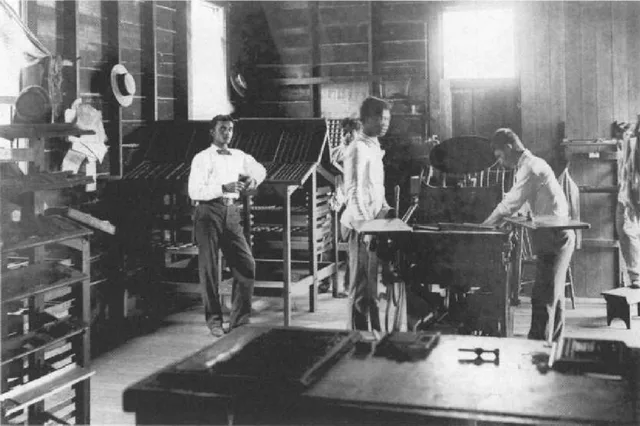
A used press might be a letterpress platen, a sheetfed offset, or a web machine, as the printing press overview explains. A platen can weigh 500 kg, while a full offset line can reach 20 tonnes. You need a flatbed trailer with a forklift or crane at both the US pickup and the Canadian delivery. The rigger must disconnect power and lock out the main disconnect. OSHA 1910.147 covers control of hazardous energy. At the border, the driver presents the paperwork at the primary inspection lane. The carrier must transmit eManifest data at least one hour before arrival for highway shipments. If the broker has not filed the B3-3, the shipment may be sent to a sufferance warehouse. The carrier should have a copy of the commercial invoice in the cab.
- Confirm the Incoterm and who is the importer of record.
- File EEI in AES if the value exceeds US$2,500.
- Send the commercial invoice, bill of lading, and certificate of origin to your customs broker.
- Transmit eManifest data at least one hour before the border.
- Pay GST and any duty at release, or use a bond to defer.
| Document | Who prepares it | What it must show |
|---|---|---|
| Commercial invoice | US seller | Sale price, HS 8443, origin |
| Bill of lading | Carrier | Piece count, weight, seals |
| Certificate of origin | US seller | USMCA eligibility |
| B3-3 | Customs broker | Duty and GST calculation |
| eManifest | Carrier | Conveyance and cargo data |
A customs bond is not the same as paying at release. If you post a bond, you defer payment until the 15th of the following month. If you do not, CBSA requires payment before the press leaves the sufferance warehouse.
Example: A 1985 Heidelberg Platen from Buffalo to Hamilton
A Canadian buyer purchases a used Heidelberg platen in Buffalo, New York. The Incoterm is FOB Buffalo. The buyer is the importer of record. The buyer hires a customs broker and a flatbed carrier. The US seller files EEI in AES because the value exceeds US$2,500. The broker files the B3-3 under USMCA and claims zero duty. The driver crosses at the Peace Bridge and clears in one hour. GST is paid at release. The press is delivered to a shop in Hamilton.
Customs Bond vs Paying at the Border
A customs bond lets you release goods before paying duty and GST. CBSA sets the bond amount at 1.5 times your highest monthly duty and tax. For a one-time import, most buyers pay at release instead. The broker will quote an entry fee and a disbursement fee. Ask for a written quote that separates those charges from the bond fee. A bond is not a tax; it is a security deposit.